Knee pain is a common problem that can affect people of different age groups. While occasional discomfort may improve with rest and medication, persistent knee pain can gradually interfere with walking, climbing stairs, standing, and performing everyday activities. In some cases, the underlying damage to the knee joint becomes severe enough that non-surgical treatments no longer provide sufficient relief.
Knee replacement surgery is a treatment option for people experiencing advanced joint damage, commonly due to osteoarthritis and other degenerative conditions. The procedure involves replacing damaged joint surfaces with artificial components to reduce pain and improve mobility.
However, not every person with knee pain requires surgery. Understanding the symptoms, available treatments, and factors involved in surgical decision-making can help patients choose the right approach. Consulting an experienced knee replacement surgeon can help determine whether surgery is appropriate based on the condition of the knee and the patient's overall health.
1. Persistent Knee Pain That Affects Daily Activities
One of the main reasons to consider knee replacement surgery is persistent pain that interferes with normal activities. Knee discomfort may initially occur after exercise or prolonged standing, but advanced joint damage can cause pain even during routine movements.
Common signs include:
- Pain while walking or standing.
- Difficulty climbing or descending stairs.
- Discomfort when getting up from a chair.
- Pain that affects sleep or occurs while resting.
- Difficulty completing household or workplace activities.
When knee pain becomes a regular part of daily life and does not improve with appropriate treatment, an orthopaedic evaluation may be necessary.
2. Advanced Osteoarthritis of the Knee
Osteoarthritis is one of the most common reasons for knee replacement surgery. It develops when the protective cartilage covering the ends of the bones gradually wears away.
As cartilage damage progresses, the bones may come closer together, resulting in pain, stiffness, swelling, and reduced joint movement.
Common symptoms of advanced knee osteoarthritis include:
- Persistent joint pain.
- Morning stiffness or stiffness after sitting.
- Swelling around the knee.
- Reduced flexibility.
- Difficulty walking longer distances.
- Grinding or clicking sensations during movement.
When the joint damage becomes severe and other treatments fail to provide adequate relief, knee replacement may be considered.
3. When Medicines and Other Treatments Stop Working
Knee replacement is generally considered when non-surgical treatments no longer provide sufficient improvement. Doctors usually recommend conservative treatment options before discussing surgery, depending on the severity of the condition.
These options may include:
Medications: Prescribed pain-relief or anti-inflammatory medicines may help manage symptoms.
Physiotherapy: Specific exercises can strengthen the muscles around the knee and improve joint movement.
Weight Management: Maintaining a healthy body weight can reduce pressure on the knee joints.
Assistive Devices: Walking sticks, braces, or other supportive devices may help some patients move more comfortably.
Injections: Certain injections may provide temporary symptom relief in selected patients.
If pain and mobility problems continue despite appropriate treatment, the surgeon may evaluate whether knee replacement is a suitable option.
4. Severe Knee Stiffness and Reduced Movement
Joint stiffness can make simple activities difficult, particularly when bending or straightening the knee becomes uncomfortable.
People with advanced knee damage may experience difficulty:
- Sitting comfortably for extended periods.
- Standing up from a chair.
- Bending the knee while walking.
- Getting in and out of a vehicle.
- Using stairs.
- Performing routine household tasks.
Severe stiffness may indicate significant joint damage or inflammation. A clinical examination and imaging tests can help identify the underlying cause and determine suitable treatment.
5. Knee Deformity or Changes in Leg Alignment
In some patients, advanced arthritis gradually changes the alignment of the knee. The legs may begin to appear bowed outward or angled inward.
These changes can develop when cartilage loss and joint damage affect one side of the knee more than the other.
Common signs include:
- Bowing of the legs.
- Inward or outward knee alignment.
- Uneven distribution of body weight.
- Difficulty walking normally.
- Increasing discomfort during movement.
When deformity becomes significant and is associated with pain and functional limitations, knee replacement surgery may be recommended after proper evaluation.
6. Knee Pain That Disturbs Sleep
Pain that continues during rest or interrupts sleep can affect overall health and daily well-being. While occasional discomfort does not automatically indicate a need for surgery, persistent night pain may be associated with advanced joint disease.
Patients should seek medical evaluation if knee pain regularly affects sleep, particularly when it occurs alongside swelling, stiffness, and difficulty walking.
An orthopaedic specialist can assess the cause of pain and recommend appropriate treatment based on the diagnosis.
7. Diagnostic Tests Before Knee Replacement Surgery
Before recommending surgery, the doctor evaluates the patient's symptoms, medical history, physical condition, and joint damage.
Common diagnostic methods include:
Physical Examination: The surgeon checks knee movement, stability, swelling, tenderness, and leg alignment.
X-Ray: Weight-bearing knee X-rays help assess joint space, bone changes, deformity, and the extent of arthritis.
MRI Scan: MRI may be advised when additional information about soft tissues, ligaments, cartilage, or other joint structures is required.
Blood Tests: These may be recommended to assess general health and identify conditions that could affect surgical planning.
The decision to perform knee replacement is based on the complete clinical assessment rather than a scan or X-ray alone.
8. Understanding the Knee Replacement Procedure
Knee replacement surgery involves removing damaged joint surfaces and replacing them with artificial components designed to support movement.
Depending on the extent of joint damage, the surgeon may recommend:
- Total Knee Replacement: The damaged joint surfaces are replaced with artificial components.
- Partial Knee Replacement: Only the affected compartment of the knee is replaced when the remaining joint structures are suitable.
The procedure is planned according to the patient's anatomy, level of joint damage, activity requirements, and overall health.
Patients considering surgery can consult a knee replacement hospital in Jaipur to understand the available surgical options, medical facilities, rehabilitation services, and post-operative care.
9. Is Robotic-Assisted Knee Replacement an Option?
Robotic-assisted knee replacement is an advanced surgical approach that uses computer-based planning and specialised technology to assist the surgeon.
It can help with preoperative planning, assessment of joint alignment, and positioning of artificial components. The surgeon remains responsible for clinical decisions and performing the operation.
This approach may be suitable for selected patients, depending on their joint condition, anatomy, and medical requirements.
Robotic assistance is not essential for every knee replacement procedure. Patients should discuss the potential benefits, limitations, and suitability of different surgical approaches with their orthopaedic specialist.
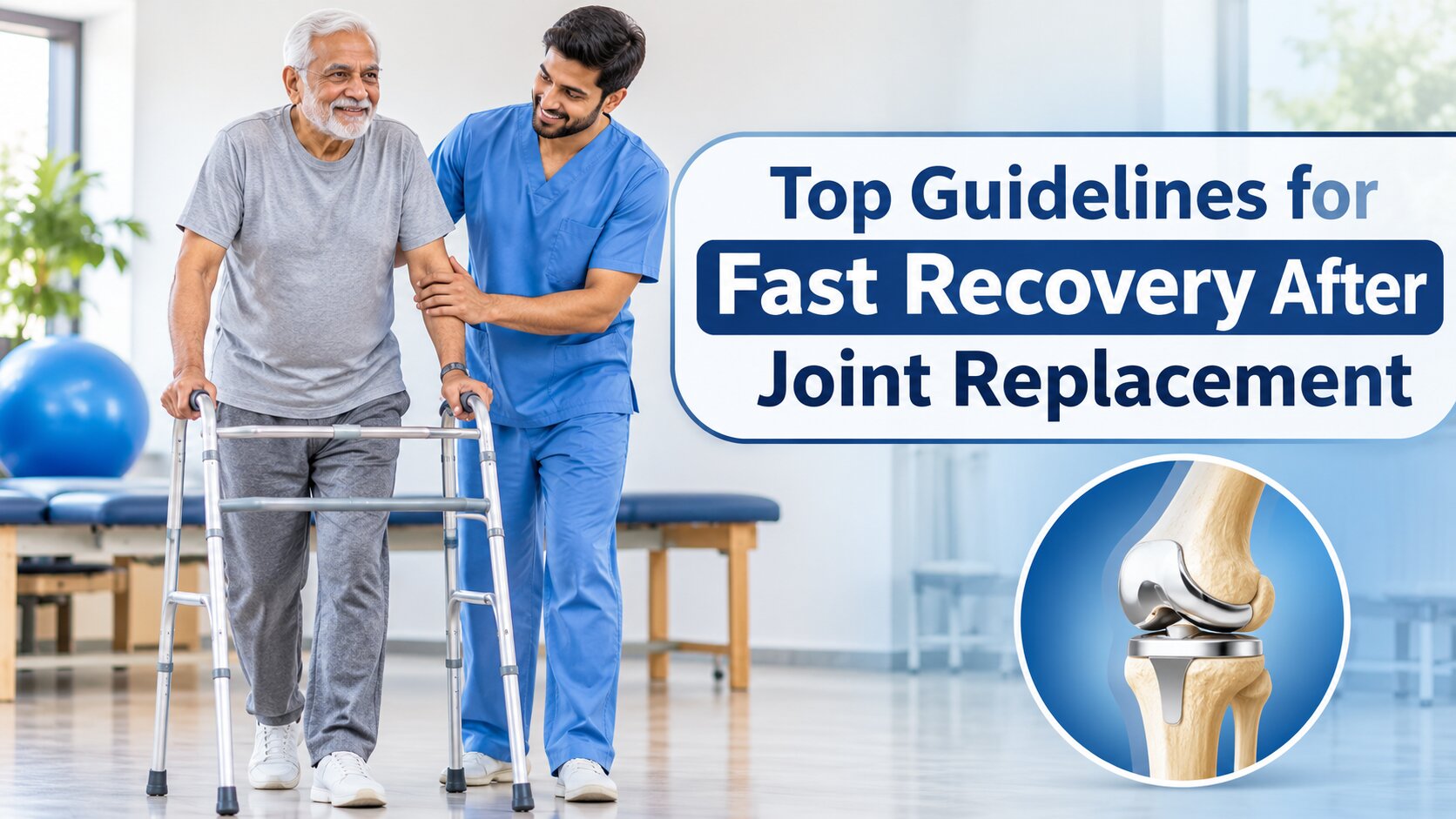
10. Recovery After Knee Replacement Surgery
Recovery is an important part of the overall treatment process. After surgery, patients generally follow a structured rehabilitation programme to improve movement, muscle strength, balance, and walking ability.
Important aspects of recovery include:
- Early Movement: Walking and gentle exercises may begin when approved by the medical team.
- Physiotherapy: Supervised exercises help restore flexibility and strengthen surrounding muscles.
- Pain Management: Prescribed medicines and recommended measures help manage post-operative discomfort.
- Wound Care: Keeping the surgical area protected and following dressing instructions supports healing.
- Regular Follow-Ups: Scheduled appointments allow the surgeon to monitor recovery and joint function.
Many patients gradually resume daily activities over several weeks, while strength and overall recovery can continue improving for several months. Recovery timelines vary between individuals.
11. Choosing the Right Orthopaedic Surgeon
Selecting an experienced specialist is an important step when considering knee replacement surgery. Patients should evaluate the surgeon's qualifications, experience with joint replacement procedures, communication, and approach to personalised treatment.
When searching for the best ortho surgeon in jaipur, consider the availability of diagnostic facilities, surgical infrastructure, rehabilitation support, and post-operative follow-up care.
A suitable treatment plan should explain the expected benefits, possible risks, available alternatives, and recovery requirements before surgery.
Conclusion
Knee replacement surgery may be considered when severe joint damage causes persistent pain, stiffness, deformity, and difficulty performing everyday activities despite appropriate non-surgical treatment.
The decision should always be based on a detailed medical evaluation and the patient's individual needs. Understanding the symptoms, exploring available treatment options, and discussing surgical approaches with an experienced orthopaedic specialist can help patients make informed decisions about their knee health.
Frequently Asked Questions (FAQs)
1. When should a person consider knee replacement surgery?
Knee replacement may be considered when persistent knee pain, stiffness, and reduced mobility significantly affect daily activities and non-surgical treatments no longer provide sufficient relief.
2. Is knee replacement surgery necessary for every patient with arthritis?
No. Many people with mild or moderate arthritis can manage their symptoms through medication, physiotherapy, weight management, and other treatments. Surgery is generally considered for advanced joint damage.
3. What is the best age for knee replacement surgery?
There is no single ideal age. The decision depends on joint damage, pain severity, mobility, overall health, and the patient's individual requirements rather than age alone.
4. How long does knee replacement surgery take?
The duration varies depending on the type of procedure, the patient's condition, and surgical requirements. The treating hospital can provide an estimated timeline after evaluating the case.
5. How long does it take to recover after knee replacement?
Many patients resume several daily activities within a few weeks. However, strength, flexibility, and overall recovery may continue improving over several months with regular rehabilitation